
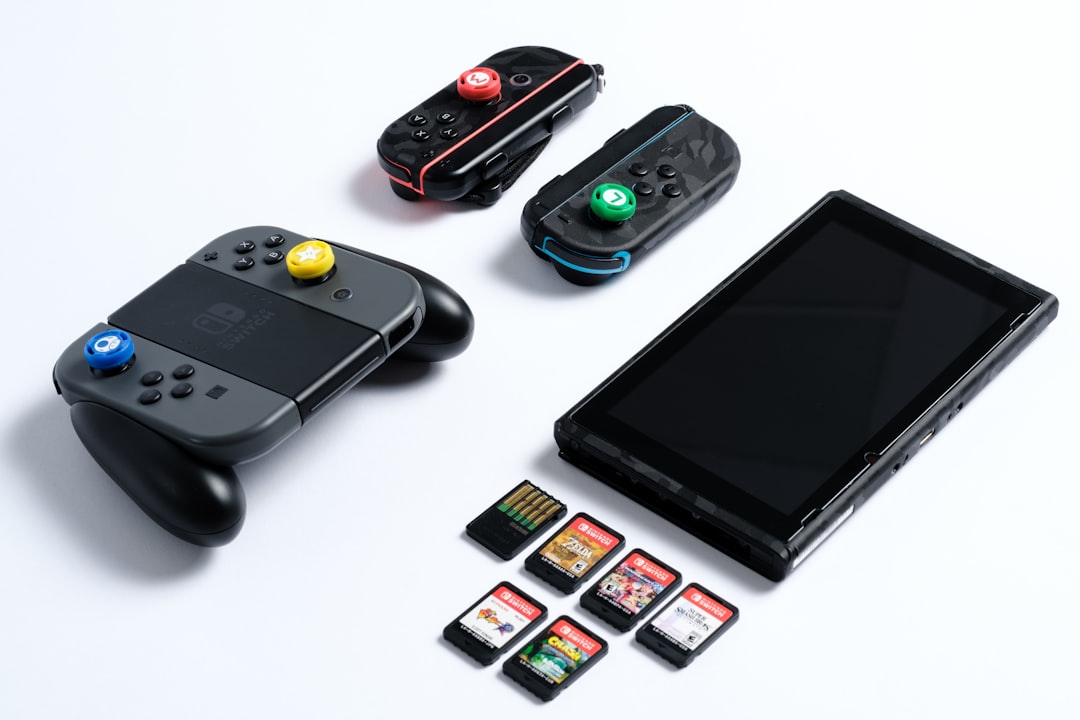
While Montreal, Vancouver, and Edmonton have long been recognized as Canada's major game development hubs, Toronto has emerged as the country's indie powerhouse. With a unique blend of creative talent, supportive infrastructure, and collaborative spirit, Toronto's indie scene is creating some of the most innovative console games in the industry today.
The Rise of Toronto's Indie Game Scene
Toronto's emergence as an indie game development hub didn't happen overnight. The city has long had a creative foundation, with a strong arts scene, respected film industry, and several educational institutions offering game development programs. But several key factors converged in the 2010s to transform Toronto into the indie powerhouse it is today.
The closure of several large studios in the early 2010s released a wave of experienced talent into the ecosystem. Rather than relocating to other major development centers, many of these developers chose to stay in Toronto and start their own independent studios. This coincided with the rise of digital distribution platforms like Steam, Xbox Live Arcade, PlayStation Network, and later the Nintendo eShop, which made it viable for small teams to reach global audiences without needing a traditional publisher.
"Toronto's indie scene thrives because of its community-first approach. We share knowledge, we celebrate each other's successes, and we pick each other up after failures. That collaborative spirit is something you won't find in many other cities."
— Jennie Robinson, Founder of PixelNAUTS Games

Game jams like TOJam have become crucial incubators for Toronto's indie scene, fostering collaboration and experimentation.
Incubators, Accelerators, and Support Systems
One of Toronto's key advantages is its robust infrastructure supporting indie game development. Organizations like the Hand Eye Society, Canada's first video game arts organization, have been instrumental in fostering community and advocating for indie developers since 2009.
The city is also home to several incubators and accelerators specifically focused on game development:
- Gamma Space: A collaborative workspace and community for independent game creators that provides resources, mentorship, and networking opportunities.
- Toronto Media Arts Centre: A multidisciplinary arts center that includes support for digital media and game development.
- Interactive Ontario: A non-profit trade organization that supports Ontario's interactive digital media industry through advocacy, research, and events.
- DMG (Dames Making Games): An organization that supports women, non-binary, femme, and gender non-conforming people in creating games and building supportive communities.
These support systems, combined with government funding through programs like the Ontario Creates Interactive Digital Media Fund, have created a fertile environment for indie studios to take creative risks on console titles that might otherwise be too financially precarious to pursue.
Success Stories: Toronto Indies Making Waves on Consoles
Toronto's indie scene has produced several standout studios whose console titles have achieved both critical acclaim and commercial success.
Capy Games: Veterans of the Scene
Founded in 2003, Capybara Games (Capy) is one of Toronto's oldest and most respected indie studios. Their breakout console success came with Superbrothers: Sword & Sworcery EP, which began life on mobile but found a broader audience when it was ported to Nintendo Switch.
Capy followed this with the critically acclaimed Super Time Force for Xbox and PlayStation, and later Below, a challenging roguelike dungeon crawler that showcased their distinctive artistic vision. Most recently, their title Grindstone has become a beloved puzzle game across multiple platforms including Nintendo Switch.
Drinkbox Studios: Distinctively Stylish
Drinkbox Studios has carved out a unique visual identity with their vibrant, culturally-inspired games. Their Guacamelee! series, a Metroidvania-style action platformer infused with Mexican folklore, has been a hit across all major console platforms.
Their recent title Nobody Saves the World continued their tradition of bold art direction and innovative gameplay mechanics, further cementing their position as one of Toronto's premier indie developers.
Cellar Door Games: Roguelike Innovators
With Rogue Legacy and its sequel, Cellar Door Games helped popularize the "roguelite" genre on consoles, combining procedural generation with persistent progression systems. Their approach to accessibility while maintaining challenge has influenced numerous other indie titles.
Toronto Indie Scene by the Numbers
- Active Indie Studios: 100+
- Major Annual Events: 5 (including TOJam, Level Up Showcase)
- Game Development Programs: 8+ across various educational institutions
- Notable Console Releases: 30+ in the last five years
- Industry Growth: 25% increase in indie studios since 2018
Educational Pipeline: Nurturing New Talent
Toronto's educational institutions play a crucial role in sustaining the indie ecosystem by providing a steady stream of new talent. Programs at OCAD University, George Brown College, Ryerson University, and the University of Toronto offer specialized training in game design, development, and digital media.
What sets Toronto's educational approach apart is the close integration between these institutions and the indie community. Many successful indie developers serve as instructors or guest lecturers, creating a direct pipeline from education to industry. Annual events like the Level Up Showcase allow students to display their work to industry professionals, often leading to job opportunities or connections that help graduates start their own studios.
Console Platforms Embracing Toronto Indies
The major console platforms have recognized the creative output coming from Toronto's indie scene and have developed specific strategies to nurture this talent pool:
ID@Xbox: Microsoft's independent developer program has been particularly active in Toronto, hosting regular events and providing development kits to promising studios. Several Toronto indies have debuted their games through Xbox Game Pass, gaining immediate access to millions of potential players.
Nintendo's Indie World: Nintendo has featured multiple Toronto-developed games in their Indie World showcases, giving these titles significant visibility on the Switch platform, which has become a preferred platform for many indie developers due to its portable nature and receptive audience.
PlayStation Indies: Sony's initiative to support independent developers has helped Toronto studios navigate the certification and publishing process for PlayStation consoles, with several local developers finding success on the PS4 and PS5.
The Toronto Aesthetic: Identifiable Trends
While Toronto's indie scene is diverse in its output, certain aesthetic and design trends have emerged that somewhat define a "Toronto style" of indie game:
- Strong Visual Identity: Toronto indies often feature distinctive, stylized art direction rather than aiming for photorealism.
- Mechanical Innovation: There's a focus on novel gameplay mechanics that subvert or reimagine established genres.
- Narrative Depth: Many Toronto indies integrate sophisticated storytelling, often exploring personal or social themes.
- Accessibility Considerations: A noteworthy trend is the attention paid to accessibility features, making games playable by wider audiences.
- Cultural Diversity: Reflecting the city itself, Toronto's indie games often incorporate diverse cultural influences and perspectives.
"What makes Toronto indies stand out is our willingness to experiment. We're not trying to make smaller versions of AAA games; we're trying to make games that couldn't exist in the AAA space at all. That's where the real innovation happens."
— Marcus Chow, Toronto Game Jam Organizer
Community Events: The Heartbeat of the Scene
If there's one factor that truly distinguishes Toronto's indie scene, it's the vibrant calendar of community events that bring developers together regularly:
TOJam: The Toronto Game Jam, running since 2006, brings together hundreds of developers each year for a weekend of rapid game creation. Many console titles have originated as TOJam prototypes.
Bit Bazaar: A recurring indie game marketplace and social event that connects developers directly with players.
Gamercamp: Though no longer running, this festival was instrumental in building Toronto's indie community during its formative years.
Hand Eye Society Socials: Regular gatherings that allow developers to showcase works-in-progress and receive feedback from peers.
These events create a continuous feedback loop of inspiration, collaboration, and friendly competition that pushes the community forward collectively.
Challenges Facing Toronto Indies
Despite the thriving ecosystem, Toronto's indie developers face several significant challenges:
Rising Cost of Living: Toronto's housing market has become increasingly expensive, making it difficult for small teams operating on tight budgets. Some developers have been forced to relocate to more affordable areas outside the city core.
Funding Gaps: While there are government grants available, the competition is fierce, and many studios struggle with the financial uncertainty between projects.
Platform Visibility: As digital storefronts become more crowded, achieving visibility for new releases has become increasingly difficult, even for studios with previous successes.
Talent Retention: Major international studios have begun establishing offices in Toronto, creating competitive pressure for indie studios trying to retain top talent.
The Future: Where Toronto's Indie Scene Is Headed
Looking ahead, several trends suggest the continued evolution of Toronto's indie console development scene:
Cross-Medium Collaboration: Toronto's strong film, music, and traditional arts scenes are increasingly intersecting with game development, leading to innovative hybrid projects.
Virtual Reality Focus: Several Toronto indies are exploring VR development for PlayStation VR and other platforms, taking advantage of the city's expertise in spatial and experiential design.
Sustainable Business Models: More studios are exploring alternative revenue models beyond traditional game sales, including subscription services, live service elements, and strategic partnerships.
Social Impact Games: A growing subset of Toronto's indie community is focused on creating games that address social issues or serve educational purposes while still succeeding as commercial console titles.
Toronto's indie game development scene represents a different but equally important aspect of Canada's contribution to console gaming than the AAA studios of Montreal, Vancouver, and Edmonton. Where those cities are known for massive teams creating blockbuster franchises, Toronto has carved out a reputation for intimate, innovative, and artistically daring games that push the boundaries of what console gaming can be.
The city's collaborative spirit, robust support systems, and diverse creative influences have created a unique development ecosystem that continues to produce some of the most distinctive titles in the industry. As console platforms increasingly recognize the commercial and artistic value of indie games, Toronto's development community is well-positioned to play an ever more significant role in shaping the future of console gaming.
For players seeking fresh experiences beyond the familiar AAA franchises, the vibrant output of Toronto's indie studios offers a wealth of innovative alternatives that showcase the creative potential of Canadian game development.